
Introduction
In 2025, the call for sustainability is louder than ever. Climate change, resource depletion, and environmental concerns are pushing individuals to rethink their daily habits. But where do you start? Planning a sustainable lifestyle isn’t just about recycling or using reusable bags—it’s about intentional choices that align with your values and the planet’s health. This guide from Classbee (https://classbee.in/) will walk you through actionable steps to embrace a greener lifestyle in 2025. Whether you’re a beginner or a seasoned eco-warrior, you’ll find practical tips, real-world examples, and expert insights to make sustainability a seamless part of your life.
Why Choose a Sustainable Lifestyle in 2025?
A sustainable lifestyle reduces your environmental footprint, saves money, and promotes well-being. With global temperatures rising and natural resources dwindling, 2025 is a pivotal year to act. According to the United Nations, adopting sustainable practices can cut global emissions by up to 30% by 2030. By planning now, you contribute to a healthier planet and inspire others to follow suit.
Benefits of a Sustainable Lifestyle
- Environmental Impact: Lower carbon footprint and reduced waste.
- Financial Savings: Energy-efficient practices and minimalism cut costs.
- Healthier Living: Organic foods and less exposure to toxins improve health.
- Community Influence: Your choices inspire others to live sustainably.
Step-by-Step Guide to Planning a Sustainable Lifestyle
Here’s a comprehensive roadmap to help you plan a sustainable lifestyle in 2025. Each step is practical, beginner-friendly, and adaptable to your unique circumstances.
Step 1: Assess Your Current Lifestyle
Before making changes, understand your current habits. Conduct a personal sustainability audit:
- Track your energy usage (electricity, gas, water).
- Monitor waste production (plastic, food, etc.).
- Evaluate your transportation habits (car, public transit, walking).
- Review your diet (meat-heavy, processed foods, or plant-based?).
Example: Sarah, a 30-year-old teacher from Mumbai, used an app like JouleBug to track her energy and waste habits for a week. She discovered she used single-use plastics daily and relied heavily on car travel. This audit helped her prioritize reducing plastic and switching to public transport.
Step 2: Set Clear, Achievable Goals
Break your sustainability journey into manageable goals. Use the SMART framework (Specific, Measurable, Achievable, Relevant, Time-bound).
Sample Goals for 2025:
- Reduce household waste by 20% by June 2025.
- Switch to renewable energy sources by December 2025.
- Adopt a plant-based diet for three days a week by March 2025.
Pro Tip: Write your goals down and revisit them monthly to stay on track.
Step 3: Embrace Energy Efficiency
Energy consumption is a major contributor to carbon emissions. In 2025, technology makes it easier to adopt energy-efficient practices.
Energy-Saving Tips
- Switch to LED bulbs (saves up to 80% energy compared to incandescent bulbs).
- Use smart thermostats to regulate home temperature.
- Opt for renewable energy providers if available in your area.
- Unplug electronics when not in use to avoid phantom energy loss.
Case Study: In 2024, the Sharma family in Delhi installed solar panels through a government-subsidized program. They reduced their electricity bill by 50% and earned credits by feeding excess energy back to the grid.
Resource: Learn more about renewable energy options at Energy.gov.
Step 4: Reduce, Reuse, Recycle
The 3Rs remain the cornerstone of sustainability. In 2025, focus on reducing consumption first, then reusing and recycling.
Practical Ideas
- Reduce: Buy only what you need. Avoid fast fashion and opt for quality, durable clothing.
- Reuse: Use reusable water bottles, coffee cups, and grocery bags.
- Recycle: Sort waste correctly and support local recycling programs.
Example: Priya, a Bangalore-based IT professional, switched to a zero-waste store for groceries. She uses glass jars for bulk items like rice and lentils, cutting her plastic waste by 70%.
Step 5: Adopt a Sustainable Diet
Food choices impact the environment significantly. Livestock farming accounts for 14.5% of global greenhouse gas emissions, per the FAO. Transitioning to a plant-based or flexitarian diet is a game-changer.
Tips for a Sustainable Diet
- Eat seasonal, locally sourced produce to reduce transport emissions.
- Cut down on meat and dairy; try Meatless Mondays.
- Grow herbs or vegetables at home, even in small spaces.
Resource: Check out WWF’s Sustainable Food Guide for more insights.
Step 6: Rethink Transportation
Transportation contributes to 29% of global CO2 emissions. In 2025, eco-friendly options are more accessible than ever.
Eco-Friendly Transportation Options
- Use public transport, carpool, or bike for short trips.
- Consider electric or hybrid vehicles if replacing your car.
- Work from home when possible to reduce commuting.
Example: Raj, a Hyderabad entrepreneur, switched to an electric scooter for his daily commute. He saves ₹500 monthly on fuel and reduced his emissions by 1.2 tons annually.
Step 7: Support Sustainable Brands
Your purchasing power can drive change. Support brands that prioritize sustainability, fair trade, and ethical practices.
How to Choose Sustainable Brands
- Look for certifications like Fair Trade, B Corp, or Rainforest Alliance.
- Research a brand’s supply chain transparency.
- Support local businesses to reduce shipping emissions.
At Classbee (https://classbee.in/), we’re committed to promoting eco-conscious living. Check out our About Us page to learn how we support sustainable education and community initiatives.
Step 8: Build a Sustainable Community
Sustainability thrives in community. Share your journey, join local groups, or start initiatives to inspire others.
Community Ideas
- Join a local zero-waste group or environmental NGO.
- Host clothing swaps or repair workshops.
- Educate friends and family about small, impactful changes.
Case Study: In 2024, a Chennai neighborhood started a community garden, growing organic vegetables and composting waste. The initiative reduced household waste by 15% and fostered stronger community bonds.
What’s New in Sustainable Living for 2025?
In 2025, sustainability is evolving with new trends and technologies:
- Smart Homes: AI-driven devices optimize energy use in real-time.
- Circular Economy: Brands like Patagonia are expanding repair and resale programs.
- Plant-Based Innovation: Lab-grown meat and dairy alternatives are more affordable.
- Carbon Tracking Apps: Tools like Klima help you measure and offset your carbon footprint.
These advancements make it easier to integrate sustainability into daily life. Stay updated with resources from Classbee (https://classbee.in/) to explore eco-friendly tools and tips.
Pros and Cons of a Sustainable Lifestyle
| Aspect | Pros | Cons |
|---|---|---|
| Environmental Impact | Reduces carbon footprint and waste, preserves natural resources. | Initial changes may require time and effort to adopt. |
| Cost | Saves money on energy, food, and durable goods in the long run. | Upfront costs for eco-friendly products (e.g., solar panels) can be high. |
| Health | Promotes healthier eating and less exposure to toxins. | Limited access to organic or local produce in some areas. |
| Community | Encourages collaboration and inspires others. | May face resistance from non-eco-conscious peers. |
FAQs About Planning a Sustainable Lifestyle in 2025
1. What is a sustainable lifestyle?
A sustainable lifestyle involves making eco-conscious choices to reduce your environmental impact. This includes energy efficiency, waste reduction, sustainable eating, and ethical consumption. Start small with actions like using reusable bags or eating less meat.
2. How can I start living sustainably in 2025?
Begin with a lifestyle audit to identify high-impact areas. Set SMART goals, reduce waste, switch to energy-efficient appliances, and support sustainable brands. Apps like JouleBug can help track progress.
3. What are the best sustainable practices for beginners?
Start with the 3Rs (Reduce, Reuse, Recycle), eat more plant-based meals, use public transport, and switch to LED bulbs. These small changes add up and are easy to implement.
4. How does a sustainable lifestyle save money?
Energy-efficient appliances, reduced waste, and minimalism lower utility and grocery bills. For example, solar panels or reusable products can save hundreds annually.
5. Are there sustainable living apps for 2025?
Yes, apps like Klima, Good On You, and JouleBug help track carbon footprints, find ethical brands, and gamify sustainable habits. They’re user-friendly and great for beginners.
Introduction
In 2025, the call for sustainability is louder than ever. Climate change, resource depletion, and environmental concerns are pushing individuals to rethink their daily habits. But where do you start? Planning a sustainable lifestyle isn’t just about recycling or using reusable bags—it’s about intentional choices that align with your values and the planet’s health. This guide from Classbee (https://classbee.in/) will walk you through actionable steps to embrace a greener lifestyle in 2025. Whether you’re a beginner or a seasoned eco-warrior, you’ll find practical tips, real-world examples, and expert insights to make sustainability a seamless part of your life.
Why Choose a Sustainable Lifestyle in 2025?
A sustainable lifestyle reduces your environmental footprint, saves money, and promotes well-being. With global temperatures rising and natural resources dwindling, 2025 is a pivotal year to act. According to the United Nations, adopting sustainable practices can cut global emissions by up to 30% by 2030. By planning now, you contribute to a healthier planet and inspire others to follow suit.
Benefits of a Sustainable Lifestyle
- Environmental Impact: Lower carbon footprint and reduced waste.
- Financial Savings: Energy-efficient practices and minimalism cut costs.
- Healthier Living: Organic foods and less exposure to toxins improve health.
- Community Influence: Your choices inspire others to live sustainably.
Step-by-Step Guide to Planning a Sustainable Lifestyle
Here’s a comprehensive roadmap to help you plan a sustainable lifestyle in 2025. Each step is practical, beginner-friendly, and adaptable to your unique circumstances.
Step 1: Assess Your Current Lifestyle
Before making changes, understand your current habits. Conduct a personal sustainability audit:
- Track your energy usage (electricity, gas, water).
- Monitor waste production (plastic, food, etc.).
- Evaluate your transportation habits (car, public transit, walking).
- Review your diet (meat-heavy, processed foods, or plant-based?).
Example: Sarah, a 30-year-old teacher from Mumbai, used an app like JouleBug to track her energy and waste habits for a week. She discovered she used single-use plastics daily and relied heavily on car travel. This audit helped her prioritize reducing plastic and switching to public transport.
Step 2: Set Clear, Achievable Goals
Break your sustainability journey into manageable goals. Use the SMART framework (Specific, Measurable, Achievable, Relevant, Time-bound).
Sample Goals for 2025:
- Reduce household waste by 20% by June 2025.
- Switch to renewable energy sources by December 2025.
- Adopt a plant-based diet for three days a week by March 2025.
Pro Tip: Write your goals down and revisit them monthly to stay on track.
Step 3: Embrace Energy Efficiency
Energy consumption is a major contributor to carbon emissions. In 2025, technology makes it easier to adopt energy-efficient practices.
Energy-Saving Tips
- Switch to LED bulbs (saves up to 80% energy compared to incandescent bulbs).
- Use smart thermostats to regulate home temperature.
- Opt for renewable energy providers if available in your area.
- Unplug electronics when not in use to avoid phantom energy loss.
Case Study: In 2024, the Sharma family in Delhi installed solar panels through a government-subsidized program. They reduced their electricity bill by 50% and earned credits by feeding excess energy back to the grid.
Resource: Learn more about renewable energy options at Energy.gov.
Step 4: Reduce, Reuse, Recycle
The 3Rs remain the cornerstone of sustainability. In 2025, focus on reducing consumption first, then reusing and recycling.
Practical Ideas
- Reduce: Buy only what you need. Avoid fast fashion and opt for quality, durable clothing.
- Reuse: Use reusable water bottles, coffee cups, and grocery bags.
- Recycle: Sort waste correctly and support local recycling programs.
Example: Priya, a Bangalore-based IT professional, switched to a zero-waste store for groceries. She uses glass jars for bulk items like rice and lentils, cutting her plastic waste by 70%.
Step 5: Adopt a Sustainable Diet
Food choices impact the environment significantly. Livestock farming accounts for 14.5% of global greenhouse gas emissions, per the FAO. Transitioning to a plant-based or flexitarian diet is a game-changer.
Tips for a Sustainable Diet
- Eat seasonal, locally sourced produce to reduce transport emissions.
- Cut down on meat and dairy; try Meatless Mondays.
- Grow herbs or vegetables at home, even in small spaces.
Resource: Check out WWF’s Sustainable Food Guide for more insights.
Step 6: Rethink Transportation
Transportation contributes to 29% of global CO2 emissions. In 2025, eco-friendly options are more accessible than ever.
Eco-Friendly Transportation Options
- Use public transport, carpool, or bike for short trips.
- Consider electric or hybrid vehicles if replacing your car.
- Work from home when possible to reduce commuting.
Example: Raj, a Hyderabad entrepreneur, switched to an electric scooter for his daily commute. He saves ₹500 monthly on fuel and reduced his emissions by 1.2 tons annually.
Step 7: Support Sustainable Brands
Your purchasing power can drive change. Support brands that prioritize sustainability, fair trade, and ethical practices.
How to Choose Sustainable Brands
- Look for certifications like Fair Trade, B Corp, or Rainforest Alliance.
- Research a brand’s supply chain transparency.
- Support local businesses to reduce shipping emissions.
At Classbee (https://classbee.in/), we’re committed to promoting eco-conscious living. Check out our About Us page to learn how we support sustainable education and community initiatives.
Step 8: Build a Sustainable Community
Sustainability thrives in community. Share your journey, join local groups, or start initiatives to inspire others.
Community Ideas
- Join a local zero-waste group or environmental NGO.
- Host clothing swaps or repair workshops.
- Educate friends and family about small, impactful changes.
Case Study: In 2024, a Chennai neighborhood started a community garden, growing organic vegetables and composting waste. The initiative reduced household waste by 15% and fostered stronger community bonds.
What’s New in Sustainable Living for 2025?
In 2025, sustainability is evolving with new trends and technologies:
- Smart Homes: AI-driven devices optimize energy use in real-time.
- Circular Economy: Brands like Patagonia are expanding repair and resale programs.
- Plant-Based Innovation: Lab-grown meat and dairy alternatives are more affordable.
- Carbon Tracking Apps: Tools like Klima help you measure and offset your carbon footprint.
These advancements make it easier to integrate sustainability into daily life. Stay updated with resources from Classbee (https://classbee.in/) to explore eco-friendly tools and tips.
Pros and Cons of a Sustainable Lifestyle
| Aspect | Pros | Cons |
|---|---|---|
| Environmental Impact | Reduces carbon footprint and waste, preserves natural resources. | Initial changes may require time and effort to adopt. |
| Cost | Saves money on energy, food, and durable goods in the long run. | Upfront costs for eco-friendly products (e.g., solar panels) can be high. |
| Health | Promotes healthier eating and less exposure to toxins. | Limited access to organic or local produce in some areas. |
| Community | Encourages collaboration and inspires others. | May face resistance from non-eco-conscious peers. |
FAQs About Planning a Sustainable Lifestyle in 2025
1. What is a sustainable lifestyle?
A sustainable lifestyle involves making eco-conscious choices to reduce your environmental impact. This includes energy efficiency, waste reduction, sustainable eating, and ethical consumption. Start small with actions like using reusable bags or eating less meat.
2. How can I start living sustainably in 2025?
Begin with a lifestyle audit to identify high-impact areas. Set SMART goals, reduce waste, switch to energy-efficient appliances, and support sustainable brands. Apps like JouleBug can help track progress.
3. What are the best sustainable practices for beginners?
Start with the 3Rs (Reduce, Reuse, Recycle), eat more plant-based meals, use public transport, and switch to LED bulbs. These small changes add up and are easy to implement.
4. How does a sustainable lifestyle save money?
Energy-efficient appliances, reduced waste, and minimalism lower utility and grocery bills. For example, solar panels or reusable products can save hundreds annually.
5. Are there sustainable living apps for 2025?
Yes, apps like Klima, Good On You, and JouleBug help track carbon footprints, find ethical brands, and gamify sustainable habits. They’re user-friendly and great for beginners.
6. How can I involve my community in sustainability?
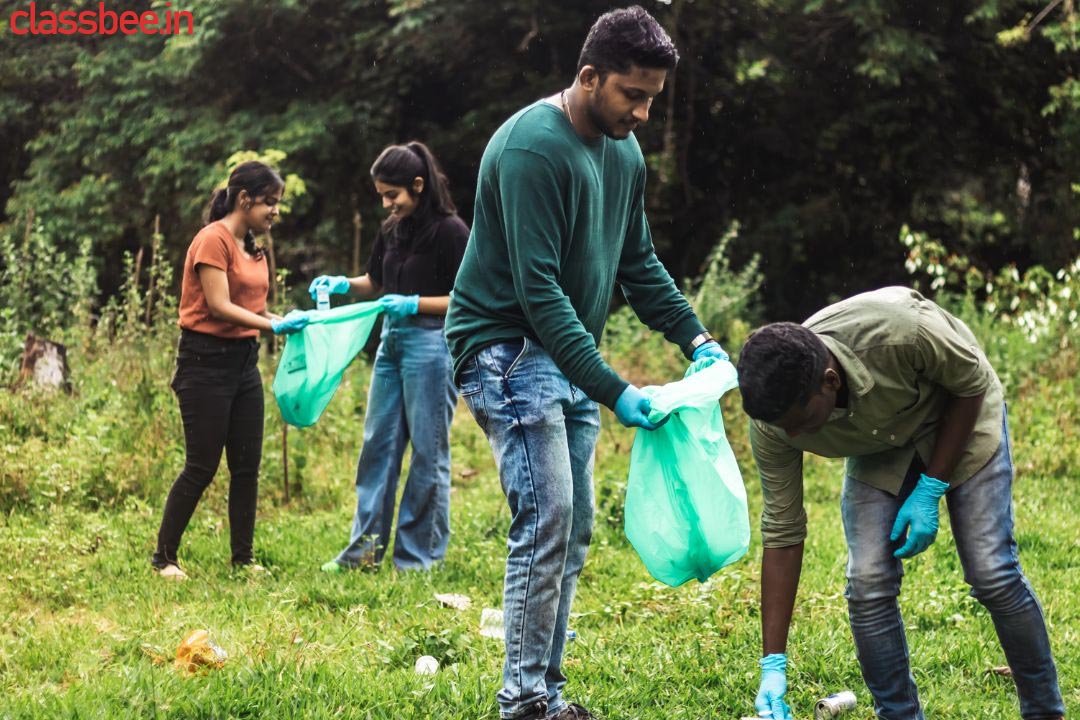
Join or start local initiatives like community gardens, clothing swaps, or clean-up drives. Share tips on social media or host workshops to inspire others.
Conclusion
Planning a sustainable lifestyle in 2025 is not only achievable but also rewarding. By assessing your habits, setting clear goals, and making intentional choices, you can reduce your environmental impact while saving money and improving your well-being. From embracing energy efficiency to supporting ethical brands, every step counts. At Classbee (https://classbee.in/), we’re passionate about empowering sustainable choices—visit our Contact Us page to share your journey or ask for tips! Start today, share this guide, and let’s build a greener future together.Introduction
In 2025, the call for sustainability is louder than ever. Climate change, resource depletion, and environmental concerns are pushing individuals to rethink their daily habits. But where do you start? Planning a sustainable lifestyle isn’t just about recycling or using reusable bags—it’s about intentional choices that align with your values and the planet’s health. This guide from Classbee (https://classbee.in/) will walk you through actionable steps to embrace a greener lifestyle in 2025. Whether you’re a beginner or a seasoned eco-warrior, you’ll find practical tips, real-world examples, and expert insights to make sustainability a seamless part of your life.
Why Choose a Sustainable Lifestyle in 2025?
A sustainable lifestyle reduces your environmental footprint, saves money, and promotes well-being. With global temperatures rising and natural resources dwindling, 2025 is a pivotal year to act. According to the United Nations, adopting sustainable practices can cut global emissions by up to 30% by 2030. By planning now, you contribute to a healthier planet and inspire others to follow suit.
Benefits of a Sustainable Lifestyle
- Environmental Impact: Lower carbon footprint and reduced waste.
- Financial Savings: Energy-efficient practices and minimalism cut costs.
- Healthier Living: Organic foods and less exposure to toxins improve health.
- Community Influence: Your choices inspire others to live sustainably.
Step-by-Step Guide to Planning a Sustainable Lifestyle
Here’s a comprehensive roadmap to help you plan a sustainable lifestyle in 2025. Each step is practical, beginner-friendly, and adaptable to your unique circumstances.
Step 1: Assess Your Current Lifestyle
Before making changes, understand your current habits. Conduct a personal sustainability audit:
- Track your energy usage (electricity, gas, water).
- Monitor waste production (plastic, food, etc.).
- Evaluate your transportation habits (car, public transit, walking).
- Review your diet (meat-heavy, processed foods, or plant-based?).
Example: Sarah, a 30-year-old teacher from Mumbai, used an app like JouleBug to track her energy and waste habits for a week. She discovered she used single-use plastics daily and relied heavily on car travel. This audit helped her prioritize reducing plastic and switching to public transport.
Step 2: Set Clear, Achievable Goals
Break your sustainability journey into manageable goals. Use the SMART framework (Specific, Measurable, Achievable, Relevant, Time-bound).
Sample Goals for 2025:
- Reduce household waste by 20% by June 2025.
- Switch to renewable energy sources by December 2025.
- Adopt a plant-based diet for three days a week by March 2025.
Pro Tip: Write your goals down and revisit them monthly to stay on track.
Step 3: Embrace Energy Efficiency
Energy consumption is a major contributor to carbon emissions. In 2025, technology makes it easier to adopt energy-efficient practices.
Energy-Saving Tips
- Switch to LED bulbs (saves up to 80% energy compared to incandescent bulbs).
- Use smart thermostats to regulate home temperature.
- Opt for renewable energy providers if available in your area.
- Unplug electronics when not in use to avoid phantom energy loss.
Case Study: In 2024, the Sharma family in Delhi installed solar panels through a government-subsidized program. They reduced their electricity bill by 50% and earned credits by feeding excess energy back to the grid.
Resource: Learn more about renewable energy options at Energy.gov.
Step 4: Reduce, Reuse, Recycle
The 3Rs remain the cornerstone of sustainability. In 2025, focus on reducing consumption first, then reusing and recycling.
Practical Ideas
- Reduce: Buy only what you need. Avoid fast fashion and opt for quality, durable clothing.
- Reuse: Use reusable water bottles, coffee cups, and grocery bags.
- Recycle: Sort waste correctly and support local recycling programs.
Example: Priya, a Bangalore-based IT professional, switched to a zero-waste store for groceries. She uses glass jars for bulk items like rice and lentils, cutting her plastic waste by 70%.
Step 5: Adopt a Sustainable Diet
Food choices impact the environment significantly. Livestock farming accounts for 14.5% of global greenhouse gas emissions, per the FAO. Transitioning to a plant-based or flexitarian diet is a game-changer.
Tips for a Sustainable Diet
- Eat seasonal, locally sourced produce to reduce transport emissions.
- Cut down on meat and dairy; try Meatless Mondays.
- Grow herbs or vegetables at home, even in small spaces.
Resource: Check out WWF’s Sustainable Food Guide for more insights.
Step 6: Rethink Transportation
Transportation contributes to 29% of global CO2 emissions. In 2025, eco-friendly options are more accessible than ever.
Eco-Friendly Transportation Options
- Use public transport, carpool, or bike for short trips.
- Consider electric or hybrid vehicles if replacing your car.
- Work from home when possible to reduce commuting.
Example: Raj, a Hyderabad entrepreneur, switched to an electric scooter for his daily commute. He saves ₹500 monthly on fuel and reduced his emissions by 1.2 tons annually.
Step 7: Support Sustainable Brands
Your purchasing power can drive change. Support brands that prioritize sustainability, fair trade, and ethical practices.
How to Choose Sustainable Brands
- Look for certifications like Fair Trade, B Corp, or Rainforest Alliance.
- Research a brand’s supply chain transparency.
- Support local businesses to reduce shipping emissions.
At Classbee (https://classbee.in/), we’re committed to promoting eco-conscious living. Check out our About Us page to learn how we support sustainable education and community initiatives.
Step 8: Build a Sustainable Community
Sustainability thrives in community. Share your journey, join local groups, or start initiatives to inspire others.
Community Ideas
- Join a local zero-waste group or environmental NGO.
- Host clothing swaps or repair workshops.
- Educate friends and family about small, impactful changes.
Case Study: In 2024, a Chennai neighborhood started a community garden, growing organic vegetables and composting waste. The initiative reduced household waste by 15% and fostered stronger community bonds.
What’s New in Sustainable Living for 2025?
In 2025, sustainability is evolving with new trends and technologies:
- Smart Homes: AI-driven devices optimize energy use in real-time.
- Circular Economy: Brands like Patagonia are expanding repair and resale programs.
- Plant-Based Innovation: Lab-grown meat and dairy alternatives are more affordable.
- Carbon Tracking Apps: Tools like Klima help you measure and offset your carbon footprint.
These advancements make it easier to integrate sustainability into daily life. Stay updated with resources from Classbee (https://classbee.in/) to explore eco-friendly tools and tips.
Pros and Cons of a Sustainable Lifestyle
| Aspect | Pros | Cons |
|---|---|---|
| Environmental Impact | Reduces carbon footprint and waste, preserves natural resources. | Initial changes may require time and effort to adopt. |
| Cost | Saves money on energy, food, and durable goods in the long run. | Upfront costs for eco-friendly products (e.g., solar panels) can be high. |
| Health | Promotes healthier eating and less exposure to toxins. | Limited access to organic or local produce in some areas. |
| Community | Encourages collaboration and inspires others. | May face resistance from non-eco-conscious peers. |
FAQs About Planning a Sustainable Lifestyle in 2025
1. What is a sustainable lifestyle?
A sustainable lifestyle involves making eco-conscious choices to reduce your environmental impact. This includes energy efficiency, waste reduction, sustainable eating, and ethical consumption. Start small with actions like using reusable bags or eating less meat.
2. How can I start living sustainably in 2025?
Begin with a lifestyle audit to identify high-impact areas. Set SMART goals, reduce waste, switch to energy-efficient appliances, and support sustainable brands. Apps like JouleBug can help track progress.
3. What are the best sustainable practices for beginners?
Start with the 3Rs (Reduce, Reuse, Recycle), eat more plant-based meals, use public transport, and switch to LED bulbs. These small changes add up and are easy to implement.
4. How does a sustainable lifestyle save money?
Energy-efficient appliances, reduced waste, and minimalism lower utility and grocery bills. For example, solar panels or reusable products can save hundreds annually.
5. Are there sustainable living apps for 2025?
Yes, apps like Klima, Good On You, and JouleBug help track carbon footprints, find ethical brands, and gamify sustainable habits. They’re user-friendly and great for beginners.
6. How can I involve my community in sustainability?
Join or start local initiatives like community gardens, clothing swaps, or clean-up drives. Share tips on social media or host workshops to inspire others.
Conclusion
Planning a sustainable lifestyle in 2025 is not only achievable but also rewarding. By assessing your habits, setting clear goals, and making intentional choices, you can reduce your environmental impact while saving money and improving your well-being. From embracing energy efficiency to supporting ethical brands, every step counts. At Classbee (https://classbee.in/), we’re passionate about empowering sustainable choices—visit our Contact Us page to share your journey or ask for tips! Start today, share this guide, and let’s build a greener future together.
Note: All photos and videos have been taken from Google or YouTube, so if you have any problem with the photo then mail us.
If you find any problem in this post or want to remove this post, then contact us: CONTACT US