
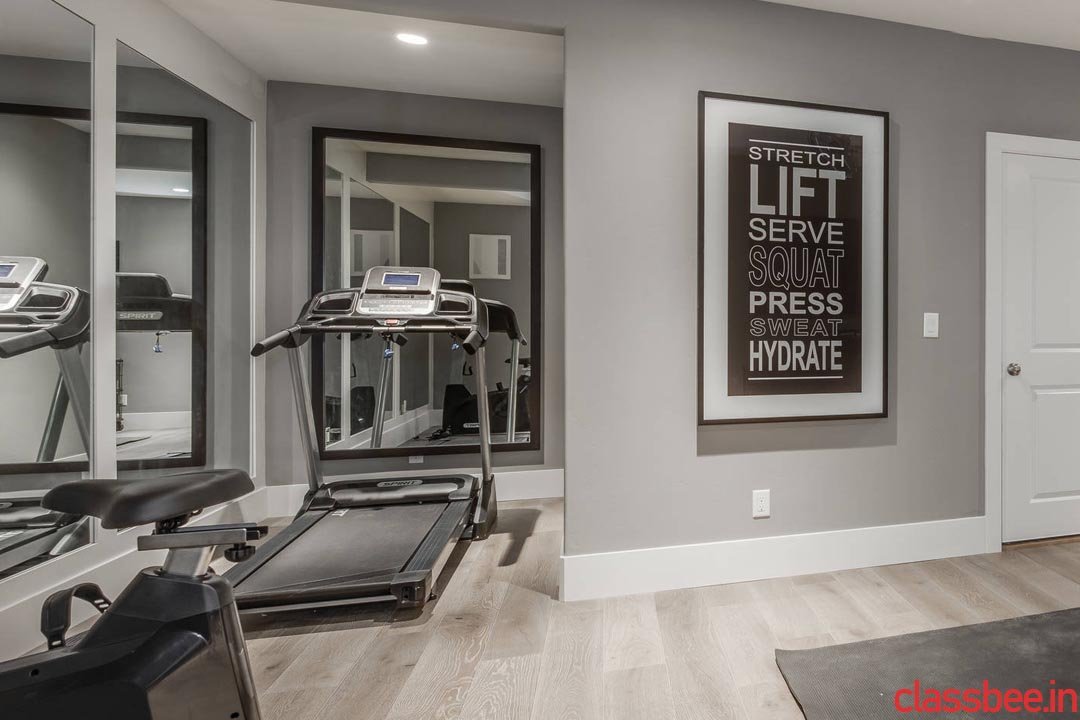
Introduction: Why a Home Gym in 2025?
In 2025, fitness is more accessible than ever, with innovative equipment and smart technology transforming how we exercise. But with busy schedules, rising gym membership costs, and a growing desire for convenience, many are turning to home gyms. Creating a home gym allows you to work out on your terms, save time, and tailor your space to your fitness goals. Whether you’re a beginner or a seasoned athlete, this guide will walk you through how to create a home gym in 2025 that’s functional, budget-friendly, and future-proof. From space planning to choosing cutting-edge equipment, let’s build your dream workout space with insights from fitness experts and real-world examples.
Why Build a Home Gym in 2025?
The appeal of a home gym lies in its convenience and personalization. No more commuting to a fitness center or waiting for equipment. In 2025, advancements in compact, smart fitness gear make it easier to create a professional-grade gym at home, even in small spaces. According to a 2024 Statista report, the global home fitness equipment market is projected to reach $15 billion by 2026, driven by demand for personalized workout solutions. A home gym not only saves money long-term but also aligns with the growing trend of hybrid fitness—combining in-person and virtual training. Let’s dive into the steps to create your ideal setup.
Step 1: Assess Your Space and Needs
Before purchasing equipment, evaluate your available space and fitness goals. A home gym can thrive in a spare room, garage, or even a corner of your living room. Here’s how to start:
Define Your Fitness Goals
Your goals shape your gym. Are you aiming for strength training, cardio, yoga, or a mix? For example:
- Strength Training: Requires weights, benches, or resistance machines.
- Cardio: Needs treadmills, bikes, or rowers.
- Flexibility/Yoga: Demands open space for mats and mobility tools.
Consider your fitness level. Beginners might need versatile basics, while advanced users may want specialized gear like power racks.
Measure Your Space
Measure the available area to determine what equipment fits. A small apartment might suit compact tools like resistance bands or foldable treadmills, while a garage can accommodate larger setups. Account for:
- Ceiling Height: For overhead exercises like pull-ups.
- Flooring: Durable, non-slip surfaces like rubber mats protect floors and reduce noise.
- Ventilation: Ensure airflow to keep the space comfortable.
Case Study: Sarah, a working mom from Mumbai, transformed her balcony into a yoga-focused gym using a mat, resistance bands, and a portable speaker for guided sessions. Her compact setup proves you don’t need a large space to stay fit.
Step 2: Set a Budget
Home gyms can range from ₹10,000 to over ₹1,00,000, depending on your needs. In 2025, budget-friendly options are abundant, thanks to affordable smart equipment and second-hand marketplaces. Here’s a breakdown:
| Budget Range | What You Get |
|---|---|
| ₹10,000–₹25,000 | Basics like dumbbells, resistance bands, yoga mat, and a jump rope. Ideal for small spaces. |
| ₹25,000–₹50,000 | Mid-range cardio machines (e.g., foldable treadmill), adjustable dumbbells, and a bench. |
| ₹50,000+ | Premium setups with smart bikes, power racks, or multi-gyms for comprehensive training. |
Tips for Budgeting
- Prioritize Versatility: Invest in multi-use equipment like adjustable dumbbells to save money.
- Shop Smart: Look for deals on platforms like Amazon India or Decathlon during festive sales.
- Consider Used Equipment: Sites like OLX offer gently used gear at a fraction of the cost.
For expert advice on fitness equipment deals, check out Decathlon India for affordable, high-quality options.
Step 3: Choose the Right Equipment for 2025
In 2025, home gym equipment is smarter, more compact, and data-driven. Here’s a curated list of essentials and trending gear:
Essential Equipment
- Adjustable Dumbbells: Space-saving and versatile for strength training. Brands like Bowflex offer sets adjustable from 2–50 kg.
- Resistance Bands: Affordable, portable, and ideal for all fitness levels.
- Yoga Mat: Non-slip mats for yoga, stretching, or bodyweight workouts.
- Kettlebell: Great for functional training and small spaces.
What’s New in 2025?
- Smart Cardio Machines: Peloton-like bikes and treadmills with built-in screens for live classes.
- AI-Powered Mirrors: Devices like Tonal or Mirror offer virtual coaching and real-time form correction.
- Compact Multi-Gyms: Space-saving machines combining cardio and strength training.
Example: Rohan, a tech professional from Bangalore, invested in a smart rowing machine with a subscription to virtual classes. He tracks his progress via an app, staying motivated with gamified workouts.
Where to Buy
For reliable equipment, visit trusted retailers like Amazon India or explore local stores listed on # Classbee.in. Their About Us page highlights their commitment to connecting fitness enthusiasts with quality resources, and you can reach out via their Contact Us page for personalized recommendations.
Step 4: Design Your Home Gym Layout
A well-designed gym maximizes space and functionality. Consider these tips:
Optimize Space
- Vertical Storage: Wall racks for weights and bands keep floors clear.
- Foldable Equipment: Choose foldable treadmills or benches for small spaces.
- Mirrors: Add mirrors to check form and make the space feel larger.
Safety and Comfort
- Flooring: Rubber or foam mats reduce impact and noise.
- Lighting: Bright, natural light boosts motivation.
- Tech Integration: Add a smart speaker or tablet mount for workout videos.
Case Study: Priya, a Delhi-based freelancer, turned her spare bedroom into a gym with a foldable treadmill, a yoga mat, and wall-mounted shelves. She uses a smart speaker to stream workouts from YouTube Fitness Channels.
Step 5: Incorporate Technology for Motivation
In 2025, technology elevates home workouts with immersive experiences. Here’s how to integrate it:
- Fitness Apps: Apps like Fitbit or MyFitnessPal track progress and suggest routines.
- Wearables: Smartwatches like the Apple Watch monitor heart rate and calories.
- Virtual Classes: Platforms like FitOn or ClassPass offer live and on-demand sessions.
Pro Tip: Sync your equipment with apps for personalized insights. For example, smart treadmills connect to apps that adjust speed based on your fitness level.
Step 6: Maintain and Upgrade Your Gym
A home gym is an investment, so keep it functional and inspiring:
- Regular Cleaning: Wipe down equipment to prevent wear.
- Upgrade Gradually: Add one new piece annually, like a rowing machine or smart mirror.
- Stay Inspired: Follow fitness blogs or join communities on # Classbee.in for workout ideas.
Pros and Cons of a Home Gym
| Pros | Cons |
|---|---|
| Convenience of working out anytime | Initial setup cost can be high |
| Customizable to your fitness goals | Requires self-discipline to use |
| Saves long-term gym membership costs | Limited space may restrict equipment |
| Privacy and comfort of home | No in-person trainer guidance |
Conclusion
Creating a home gym in 2025 is an empowering step toward fitness freedom. By assessing your space, setting a budget, choosing versatile equipment, and integrating smart technology, you can build a gym that fits your lifestyle and goals. Whether you’re lifting weights, practicing yoga, or running on a smart treadmill, your home gym will save time and money while keeping you motivated. Start small, plan smart, and let # Classbee.in guide you with resources and community support. Share your home gym journey in the comments or sign up for our newsletter for more fitness tips!
FAQ Section
FAQ 1: What is the minimum space needed for a home gym in 2025?
A home gym can fit in as little as 10×10 feet for basic setups with a yoga mat and resistance bands. For cardio machines or weights, aim for 15×15 feet. Measure your space and prioritize foldable or compact equipment for smaller areas.
FAQ 2: How much does it cost to create a home gym in 2025?
Costs range from ₹10,000 for basics (dumbbells, bands, mat) to ₹50,000+ for premium setups with smart machines. Save by buying during sales or exploring used gear on platforms like OLX.
FAQ 3: What are the best home gym equipment options for beginners?
Beginners should start with adjustable dumbbells, resistance bands, a yoga mat, and a jump rope. These are affordable, versatile, and suit various workouts, from strength to cardio.
FAQ 4: How can I stay motivated with a home gym?
Use fitness apps, wearables, or virtual classes to track progress and stay engaged. Set goals, create a workout schedule, and join communities like # Classbee.in for inspiration.
FAQ 5: Are smart fitness devices worth it in 2025?
Smart devices like AI mirrors or connected cardio machines offer personalized coaching and data tracking, ideal for tech-savvy users. They’re pricier but enhance motivation and form correction.
FAQ 6: Can I build a home gym in a small apartment?
Yes! Use compact equipment like foldable treadmills, resistance bands, and adjustable dumbbells. Optimize vertical storage and add mirrors to make the space feel larger.
Schema Markup for FAQs
External Resources
- Decathlon India – Affordable fitness equipment.
- Amazon India – Wide range of home gym gear.
- YouTube Fitness Channels – Free workout videos.
Note: All photos and videos have been taken from Google or YouTube, so if you have any problem with the photo then mail us.
If you find any problem in this post or want to remove this post, then contact us: CONTACT US