
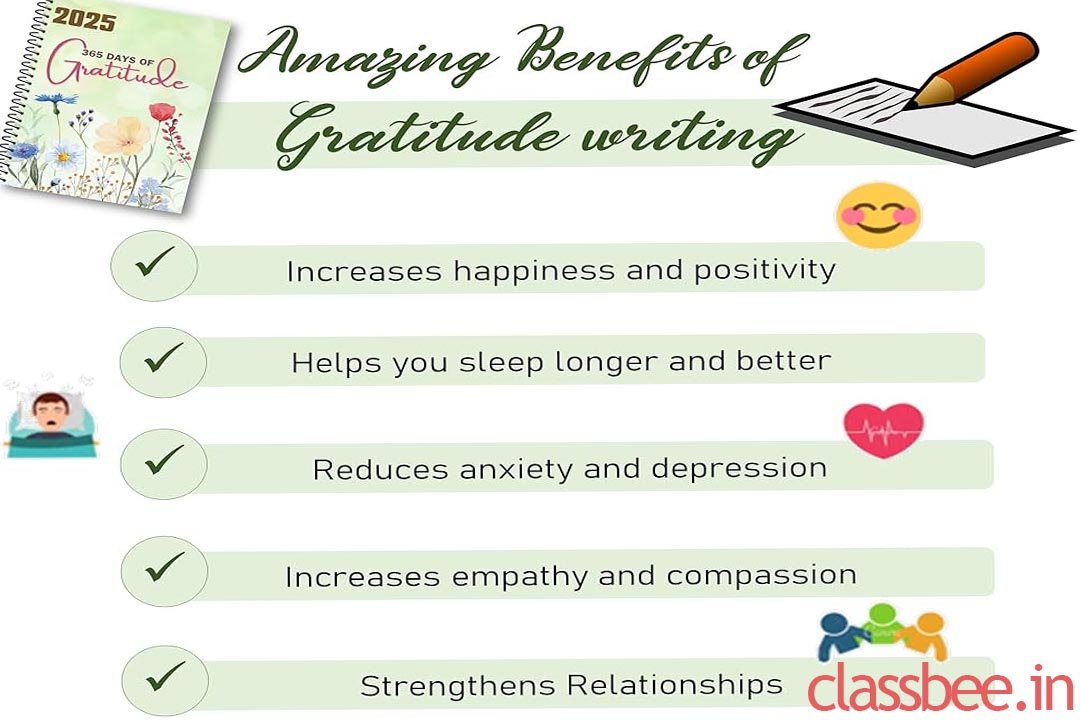
Introduction: Why Gratitude Matters in 2025
In a fast-paced world filled with constant notifications, work pressures, and global uncertainties, finding moments of peace can feel like a challenge. Enter The Art of Practicing Daily Gratitude in 2025—a simple yet transformative practice that rewires your brain for positivity, resilience, and joy. Gratitude isn’t just about saying “thank you”; it’s a mindset shift that fosters emotional well-being and strengthens relationships. This article explores how to master daily gratitude, its scientifically backed benefits, and practical ways to make it a habit in 2025. Whether you’re new to gratitude or seeking fresh inspiration, this guide offers actionable steps to elevate your life.
What Is Daily Gratitude?
Gratitude is the act of recognizing and appreciating the positive aspects of life, no matter how small. Practicing daily gratitude involves intentionally focusing on things you’re thankful for each day. In 2025, with mental health awareness on the rise, gratitude is gaining traction as a tool to combat stress and enhance life satisfaction. Research from Harvard Medical School shows that gratitude practices can increase happiness by up to 25% and reduce depressive symptoms.
At # Classbee.in, we believe gratitude is a cornerstone of personal growth. Our mission is to empower individuals with tools for self-improvement—check out our About Us page to learn more about our vision.
Why Practice Gratitude in 2025?
The year 2025 brings unique challenges, from navigating AI-driven workplaces to balancing screen time with real-world connections. Gratitude helps you:
- Stay grounded amidst digital overload.
- Build resilience against stress and anxiety.
- Foster deeper connections with others.
- Enhance focus and productivity in a distracted world.
By embracing The Art of Practicing Daily Gratitude in 2025, you can create a ripple effect of positivity in your personal and professional life.
The Science Behind Gratitude
Gratitude isn’t just a feel-good practice; it’s backed by science. Studies from the Greater Good Science Center at UC Berkeley reveal that gratitude activates the brain’s reward system, releasing dopamine and serotonin. This leads to improved mood, better sleep, and stronger immune function.
Key Benefits of Daily Gratitude
| Benefit | Description |
|---|---|
| Improved Mental Health | Reduces anxiety and depression by shifting focus to positive aspects. |
| Better Relationships | Expressing gratitude strengthens bonds with friends, family, and colleagues. |
| Enhanced Resilience | Helps individuals cope with challenges and bounce back from setbacks. |
| Increased Productivity | A positive mindset boosts focus and motivation, ideal for 2025’s fast-paced world. |
A 2023 study published in The Journal of Positive Psychology found that participants who practiced gratitude daily for 21 days reported higher life satisfaction and lower stress levels.
How to Practice Daily Gratitude in 2025
Mastering The Art of Practicing Daily Gratitude in 2025 requires consistency and intention. Below are practical, beginner-friendly strategies to integrate gratitude into your daily routine.
1. Start a Gratitude Journal
A gratitude journal is a powerful tool to document things you’re thankful for. In 2025, digital journals like apps or printable templates make this easier than ever.
How to Start:
- Write down 3–5 things you’re grateful for each morning or evening.
- Be specific: Instead of “I’m grateful for my family,” write “I’m grateful for my sister’s encouraging text today.”
- Use apps like Gratitude or Day One for guided prompts.
Example: Sarah, a 30-year-old teacher, started journaling in 2025. She noted small moments, like a student’s smile or a sunny morning walk. Within weeks, she felt more optimistic and less overwhelmed.
2. Practice Mindful Gratitude Meditation
Mindfulness and gratitude go hand in hand. A 10-minute gratitude meditation can set a positive tone for your day.
Steps:
- Find a quiet space and sit comfortably.
- Focus on your breath, then visualize 2–3 things you’re thankful for.
- Reflect on why these moments matter to you.
- Use guided meditations from platforms like Calm or Headspace.
3. Express Gratitude to Others
Sharing gratitude strengthens relationships. In 2025, with hybrid work and virtual connections, a heartfelt “thank you” goes a long way.
Ideas:
- Send a thank-you note or text to a friend or colleague.
- Compliment someone sincerely for their effort or kindness.
- Host a gratitude circle with family or friends to share appreciations.
Case Study: John, a remote worker, began sending weekly thank-you emails to his team in 2025. This small act boosted team morale and earned him a reputation as a thoughtful leader.
4. Use Gratitude Prompts
Prompts spark creativity and keep your practice fresh. Try these:
- What’s one thing that made you smile today?
- Who made a positive impact on your life this week?
- What’s a challenge you faced that taught you something valuable?
5. Leverage Technology in 2025
In 2025, technology makes gratitude accessible. Apps like Grateful or Three Good Things send reminders to log grateful moments. Wearables like Fitbit or Apple Watch can also prompt mindfulness breaks.
For more tools to enhance your gratitude practice, visit Classbee.in for resources on mindfulness and personal growth.
Challenges and Solutions in Practicing Gratitude
While gratitude is simple, it’s not always easy. Here’s how to overcome common obstacles:
| Challenge | Solution |
|---|---|
| Forgetting to Practice | Set a daily reminder on your phone or use a habit-tracking app. |
| Feeling Inauthentic | Start small with genuine, specific moments of gratitude. |
| Lack of Time | Combine gratitude with existing routines, like during your commute. |
| Negative Mindset | Reflect on small wins or lessons learned from challenges. |
What’s New in Gratitude Practices for 2025?
In 2025, gratitude is evolving with technology and cultural shifts. Here’s what’s trending:
- AI-Powered Gratitude Apps: Tools like Replika integrate gratitude prompts with AI coaching.
- Virtual Gratitude Communities: Platforms like Classbee.in offer online forums to share gratitude stories—connect with us via our Contact Us page.
- Gratitude in the Workplace: Companies are adopting gratitude programs to boost employee well-being.
Pros and Cons of Daily Gratitude
| Pros | Cons |
|---|---|
| Boosts mental health and happiness | Requires consistent effort |
| Strengthens relationships | May feel forced initially |
| Free and accessible to all | Can be challenging during tough times |
| Enhances resilience and focus | Needs creativity to stay engaging |
FAQ Section
What is The Art of Practicing Daily Gratitude in 2025?
It’s the intentional act of recognizing and appreciating positive aspects of life daily. In 2025, it involves using tools like journals, apps, or meditation to cultivate a grateful mindset, improving mental health and relationships.
How can I start practicing daily gratitude?
Begin with a gratitude journal, writing 3–5 things you’re thankful for daily. Use specific examples, set reminders, or try apps like Gratitude for prompts. Consistency is key to building the habit.
What are the benefits of daily gratitude in 2025?
Gratitude boosts happiness, reduces stress, improves sleep, and strengthens relationships. Studies show it increases life satisfaction by up to 25% and helps you stay resilient in a fast-paced world.
Can gratitude help with workplace stress?
Yes, expressing gratitude to colleagues or reflecting on positive work moments reduces stress and boosts morale. In 2025, companies use gratitude programs to enhance employee well-being and productivity.
Are there apps for practicing gratitude in 2025?
Apps like Gratitude, Day One, and Three Good Things offer prompts and reminders. Wearables like Apple Watch also support mindfulness breaks, making gratitude practice seamless in 2025.
How do I stay consistent with gratitude?
Set daily reminders, pair gratitude with routines (e.g., morning coffee), or join a community like Classbee.in for accountability. Start small to make it sustainable.
Conclusion
The Art of Practicing Daily Gratitude in 2025 is a game-changer for mental health, relationships, and resilience. By starting a gratitude journal, meditating, or using tech tools, you can transform your outlook and thrive in a busy world. The science is clear: gratitude rewires your brain for positivity. Ready to start? Try writing three things you’re grateful for today and share your experience in the comments below or join our community at Classbee.in for more tips. Subscribe to our newsletter for weekly inspiration!
External Resources:
- Harvard Medical School: Giving Thanks Can Make You Happier
- Greater Good Science Center: The Science of Gratitude
- The Journal of Positive Psychology
Note: All photos and videos have been taken from Google or YouTube, so if you have any problem with the photo then mail us.
If you find any problem in this post or want to remove this post, then contact us: CONTACT US